Vitamin D: do you need it, and which one?
Checked 25 October 2026 · labels from NIH's public label database, January 2026 release
The short answer
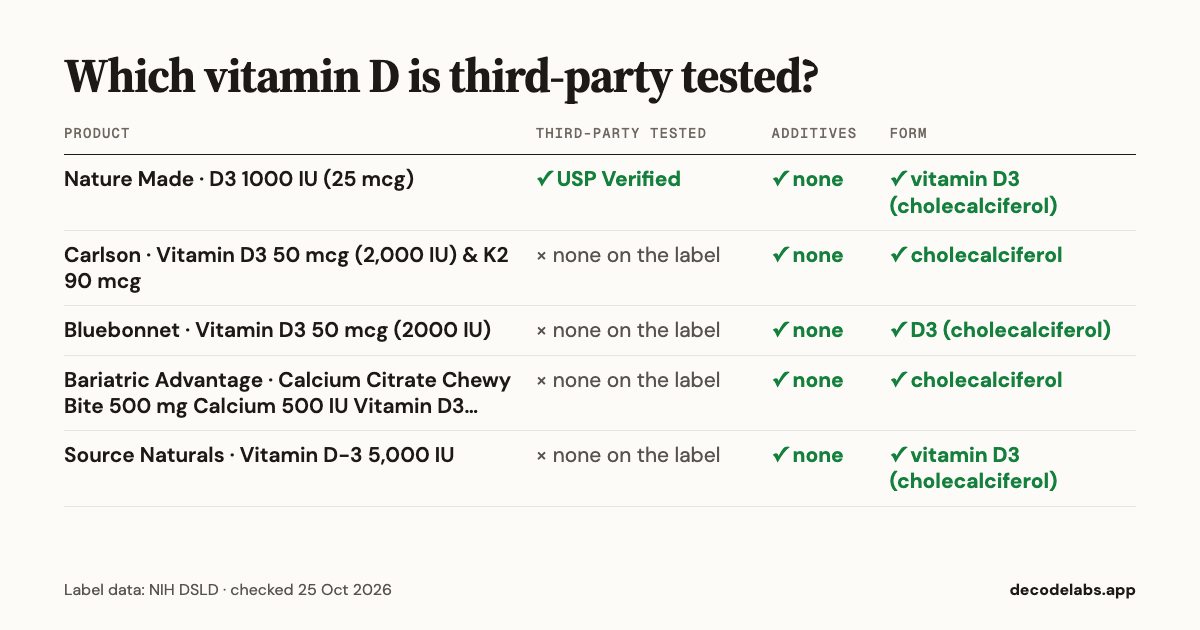
NIH lists 1,806 vitamin D labels on the US market, which make up 1,745 products. Only 67 of those products are third-party tested: an outside lab's seal on the label, or the product's name on that lab's own list.
62 of them pass all three checks: third-party tested, none of the additives we check for, and a form an expert we quote prefers.
Source: NIH's public label database, 11 January 2026 release; checks by Decode, 25 October 2026
From every label to the ones that pass
- Vitamin D products on the US market (NIH) 1,745
- Third-party tested 67
- …and none of the additives we check for 66
- …and a form an expert we quote prefers 62
Source: NIH's public label database, 11 January 2026 release; checks by Decode, 25 October 2026
Do you need vitamin D?
Start with your blood test. The number to look at is your Vitamin D.
What was said about that number:
“Most people can take a supplement in the range of 2,000 to 4,000 IUs a day depending where your blood levels are at and keep keep their vitamin D levels within that, you know, 40 to 60 range.”
“And you want to have your 25 hydroxy vitamin D levels between you know 30 to 60 nanogs per milliliter is a great I would say level to have your vitamin D levels.”
“You don't really want to go above 80 nanogs per milliliter. Then you start getting into a pretty high range.”
“…but deficiency is considered at levels below 20 nanograms per milliliter”
“…vitamin D 4000 fish oil one or two grams of the actual”
Which vitamin D products pass all three checks?
Third-party tested, none of the additives we check for, and a form an expert we quote prefers. Sizes of one product are shown once.
-
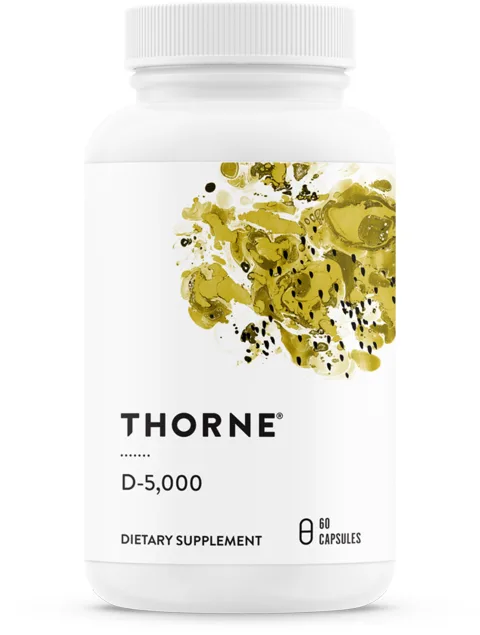
Photo: Open Food Facts contributors, CC BY-SA 3.0 D-5,000
 Third-party tested: NSF Certified for Sport
- None of the additives we check for
- Form: Vitamin D3
An expert prefers this form See the quote
-
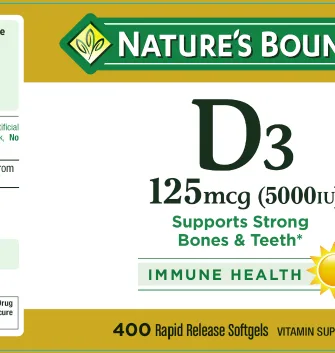
Image: NIH label database D3 125 mcg (5000 IU)
 Third-party tested: USP Verified
- None of the additives we check for
- Form: Vitamin D3 (cholecalciferol)
An expert prefers this form See the quote
-
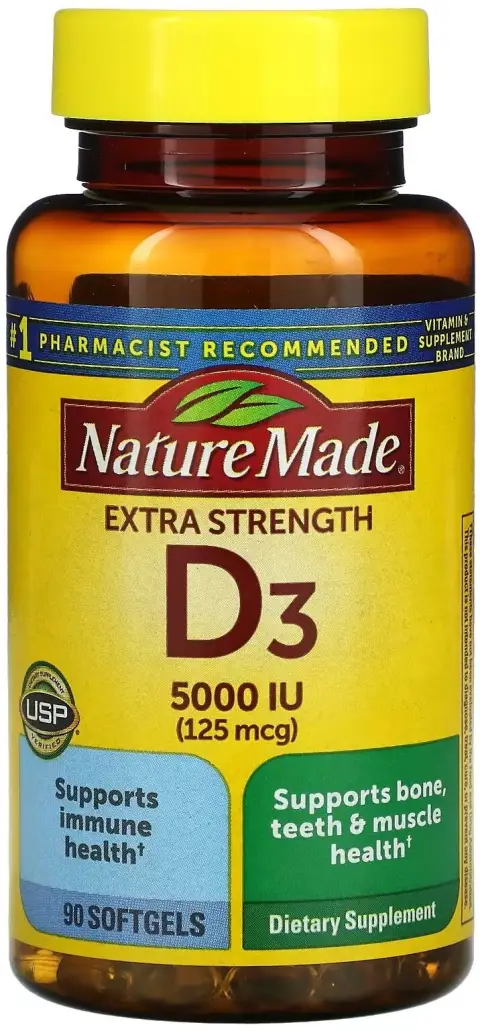
Photo: Open Food Facts contributors, CC BY-SA 3.0 D3 125 mcg 5000 IU
- Third-party tested: USP Verified
- None of the additives we check for
- Form: Vitamin D3 (cholecalciferol)
An expert prefers this form See the quote
-
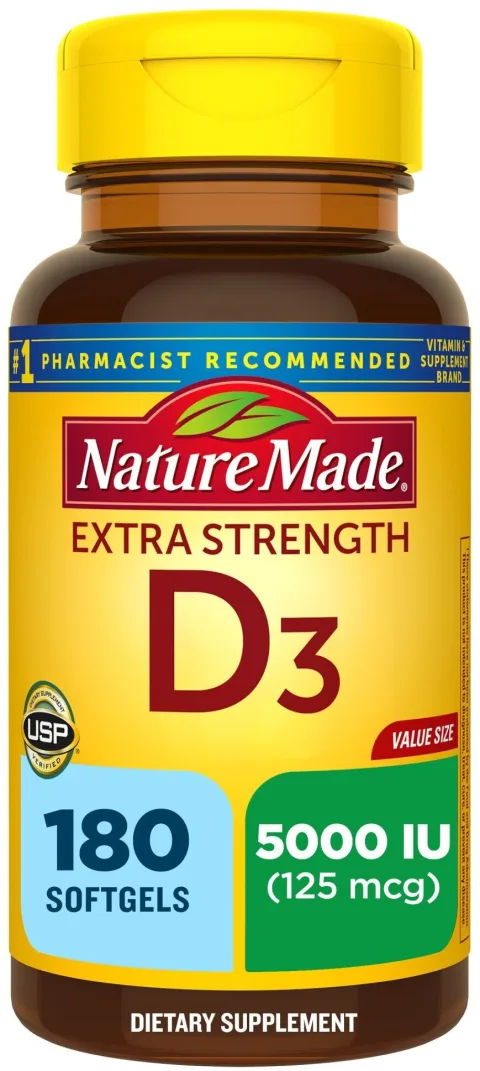
Photo: Open Food Facts contributors, CC BY-SA 3.0 Extra Strength D3 125 mcg
- Third-party tested: USP Verified
- None of the additives we check for
- Form: Vitamin D3 (cholecalciferol)
An expert prefers this form See the quote
-
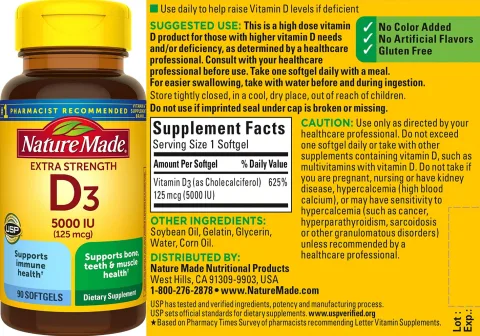
Image: NIH label database Extra Strength D3 5000 IU (125 mcg)
- Third-party tested: USP Verified
- None of the additives we check for
- Form: Vitamin D3 (cholecalciferol)
An expert prefers this form See the quote
-
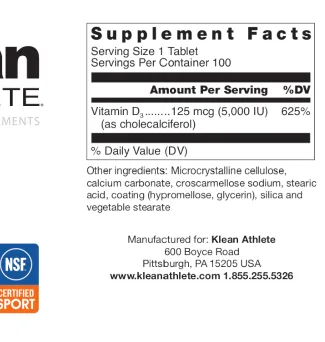
Image: NIH label database Klean-D 125 mcg (5,000 IU)
- Third-party tested: NSF Certified for Sport
- None of the additives we check for
- Form: Vitamin D3 (cholecalciferol)
An expert prefers this form See the quote
-
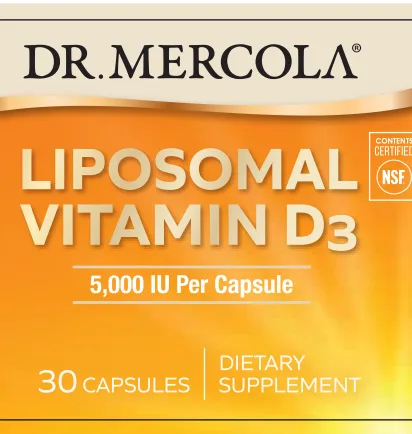
Image: NIH label database Liposomal Vitamin D3 5,000 IU 2 label versions
- Third-party tested: NSF
- None of the additives we check for
- Form: Vitamin D3 (cholecalciferol)
An expert prefers this form See the quote
-
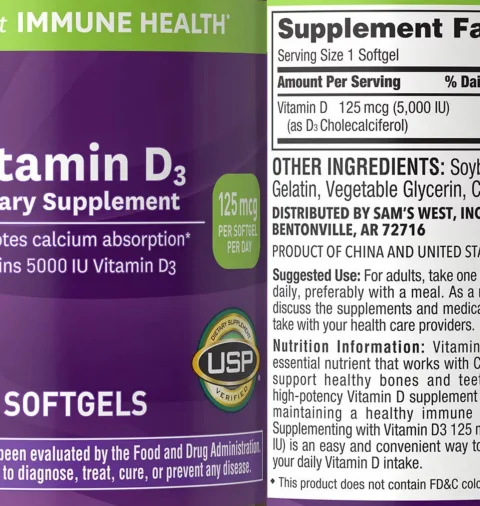
Image: NIH label database Vitamin D-3 5000 IU
- Third-party tested: USP Verified
- None of the additives we check for
- Form: Vitamin D3 (cholecalciferol)
An expert prefers this form See the quote
-
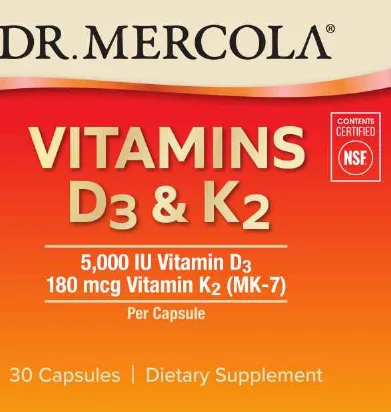
Image: NIH label database Vitamins D3 5,000 IU & K2 (MK-7) 180 mcg
- Third-party tested: NSF Certified for Sport
- None of the additives we check for
- Form: Vitamin D3 (cholecalciferol)
An expert prefers this form See the quote
-
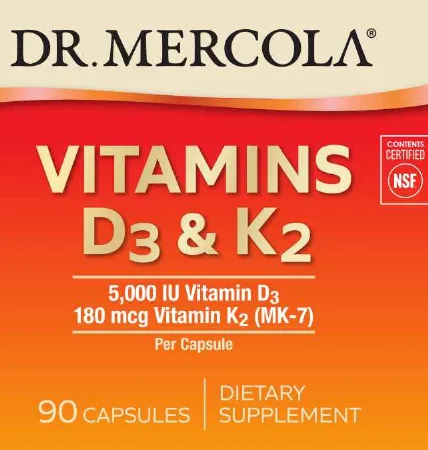
Image: NIH label database Vitamins D3 5,000 IU & K2 180 mcg
- Third-party tested: NSF Certified for Sport
- None of the additives we check for
- Form: Vitamin D3 (cholecalciferol)
An expert prefers this form See the quote
-
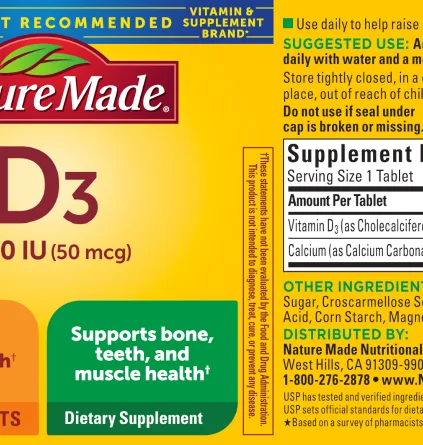
Image: NIH label database -
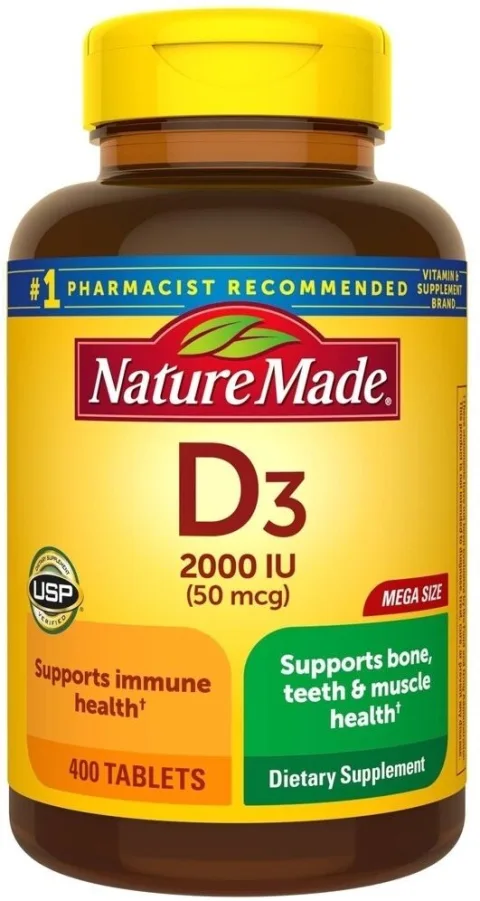
Photo: Open Food Facts contributors, CC BY-SA 3.0 D3 50 2000 IU (50 mg)
- Third-party tested: USP Verified
- None of the additives we check for
- Form: Vitamin D3 (cholecalciferol)
An expert prefers this form See the quote
-
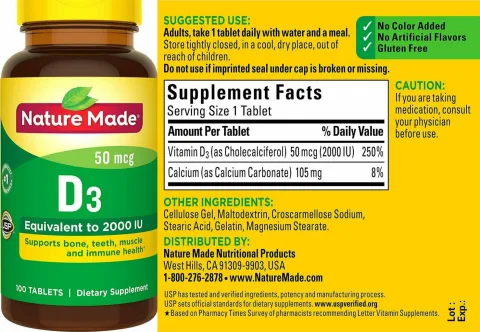
Image: NIH label database D3 50 mcg
- Third-party tested: USP Verified
- None of the additives we check for
- Form: Vitamin D3 (cholecalciferol)
An expert prefers this form See the quote
-
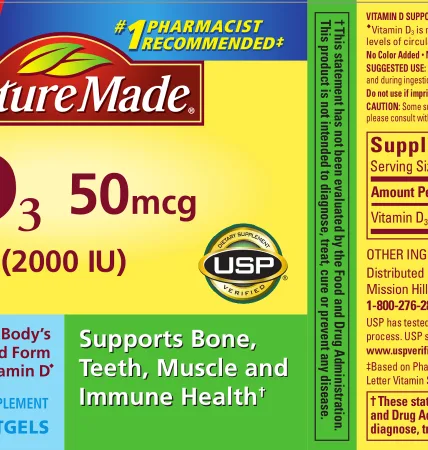
Image: NIH label database D3 50 mcg (2000 IU) 2 label versions
- Third-party tested: USP Verified
- None of the additives we check for
- Form: Vitamin D3 (cholecalciferol)
An expert prefers this form See the quote
-
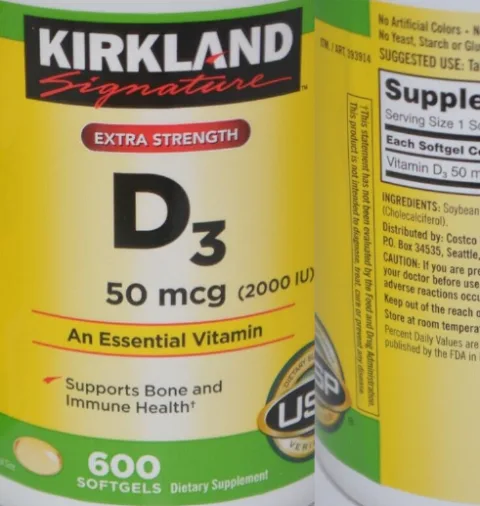
Image: NIH label database D3 50 mcg (2000 IU)
- Third-party tested: USP Verified
- None of the additives we check for
- Form: Vitamin D3
An expert prefers this form See the quote
-
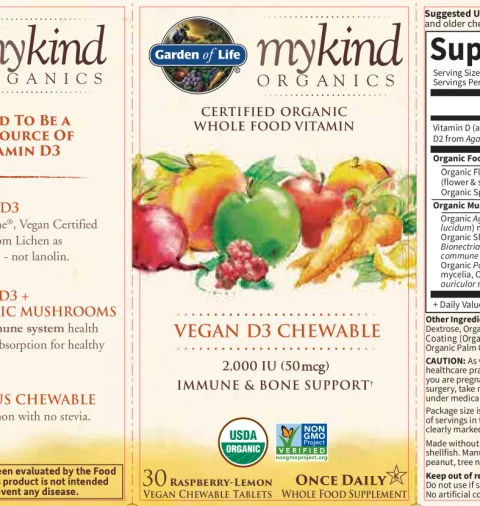
Image: NIH label database Vegan D3 Chewable 2,000 IU (50 mcg) Raspberry-Lemon
- Third-party tested: NSF
- None of the additives we check for
- Form: D3
An expert prefers this form See the quote
-
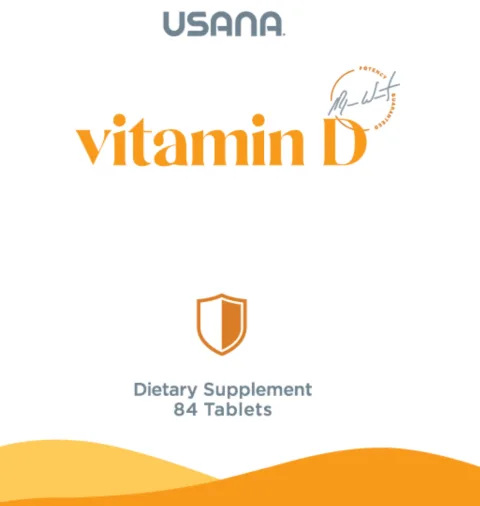
Image: NIH label database Vitamin D
 Third-party tested: on the Informed Choice list
- None of the additives we check for
- Form: Vitamin D3 (cholecalciferol)
An expert prefers this form See the quote
Source: NIH record 322336 · label PDF · Informed Choice list, checked 23 October 2026
-
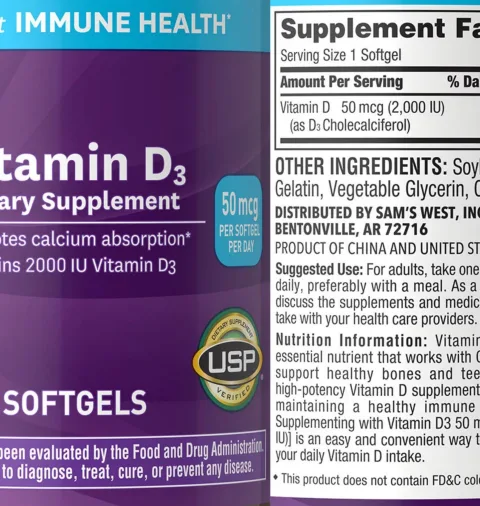
Image: NIH label database Vitamin D-3 2000 IU
- Third-party tested: USP Verified
- None of the additives we check for
- Form: Vitamin D3 (cholecalciferol)
An expert prefers this form See the quote
-
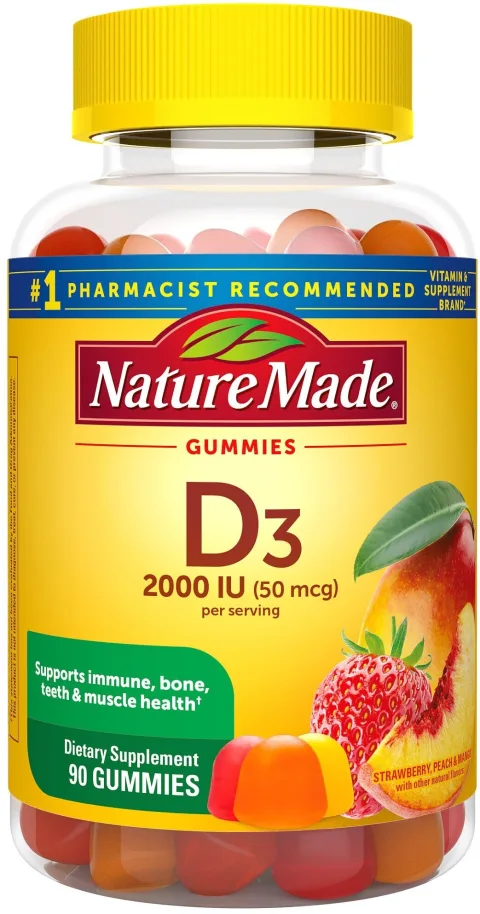
Photo: Open Food Facts contributors, CC BY-SA 3.0 Vitamin D3 Gummies 50 mcg
- Third-party tested: USP Verified
- None of the additives we check for
- Form: Vitamin D3 (cholecalciferol)
An expert prefers this form See the quote
-
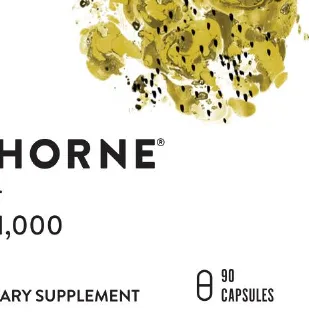
Image: NIH label database D-1,000
- Third-party tested: NSF Certified for Sport
- None of the additives we check for
- Form: Vitamin D3
An expert prefers this form See the quote
-
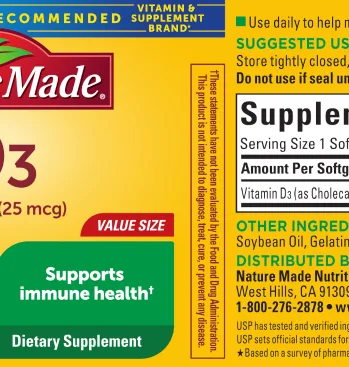
Image: NIH label database -
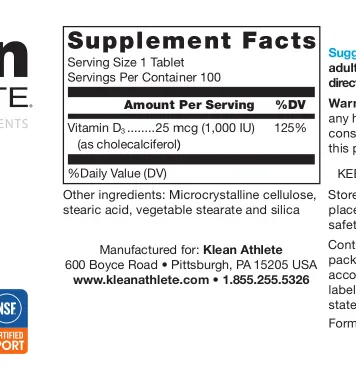
Image: NIH label database Klean-D 25 mcg (1,000 IU)
- Third-party tested: NSF Certified for Sport
- None of the additives we check for
- Form: Vitamin D3 (cholecalciferol)
An expert prefers this form See the quote
-
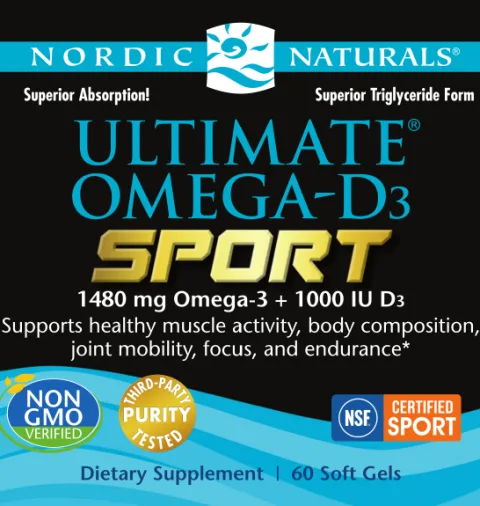
Image: NIH label database Ultimate Omega-D3 Sport 2 label versions
- Third-party tested: NSF Certified for Sport
- None of the additives we check for
- Form: Vitamin D3 (cholecalciferol)
An expert prefers this form See the quote
-
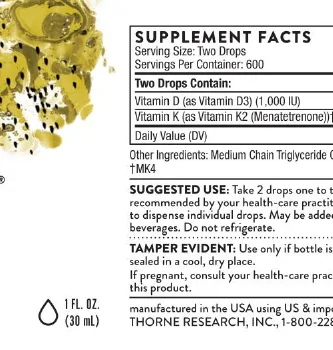
Image: NIH label database Vitamin D + K2
- Third-party tested: NSF Certified for Sport
- None of the additives we check for
- Form: Vitamin D3
An expert prefers this form See the quote
-
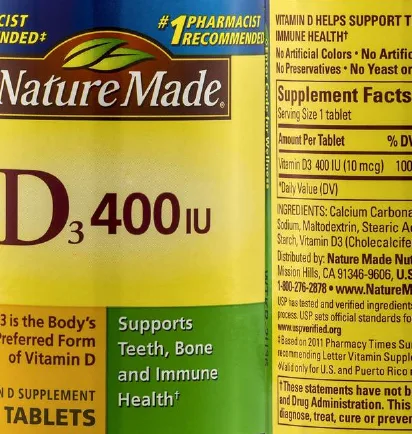
Image: NIH label database D3 400 IU
- Third-party tested: USP Verified
- None of the additives we check for
- Form: Vitamin D3
An expert prefers this form See the quote
-
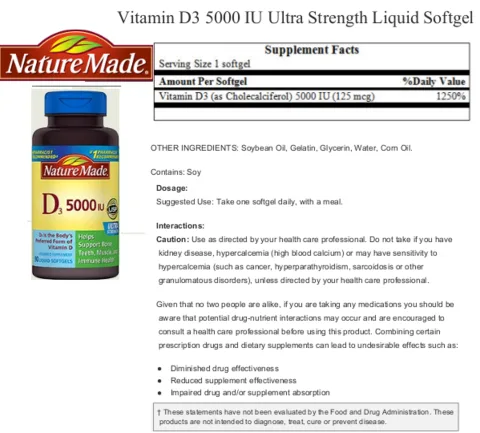
Image: NIH label database D3 5000 IU
- Third-party tested: USP Verified
- None of the additives we check for
- Form: Vitamin D3 (cholecalciferol)
An expert prefers this form See the quote
-
Photo: Open Food Facts contributors, CC BY-SA 3.0 High Potency D3 5000 IU 2 label versions
- Third-party tested: USP Verified
- None of the additives we check for
- Form: Vitamin D3 (cholecalciferol)
An expert prefers this form See the quote
-
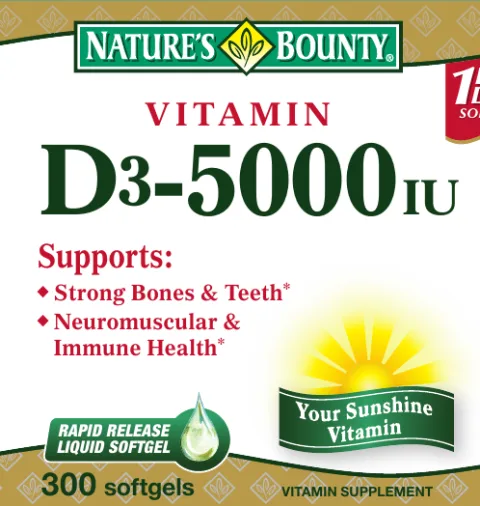
Image: NIH label database Vitamin D3-5000 IU
- Third-party tested: USP Verified
- None of the additives we check for
- Form: Vitamin D3 (cholecalciferol)
An expert prefers this form See the quote
-
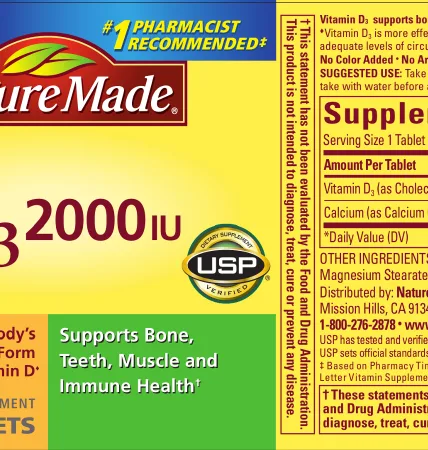
Image: NIH label database D3 2000 IU 2 label versions
- Third-party tested: USP Verified
- None of the additives we check for
- Form: Vitamin D3 (cholecalciferol)
An expert prefers this form See the quote
-
Generic image, not this product Extra Strength Vitamin D3 2000 IU
- Third-party tested: USP Verified
- None of the additives we check for
- Form: Vitamin D3
An expert prefers this form See the quote
-
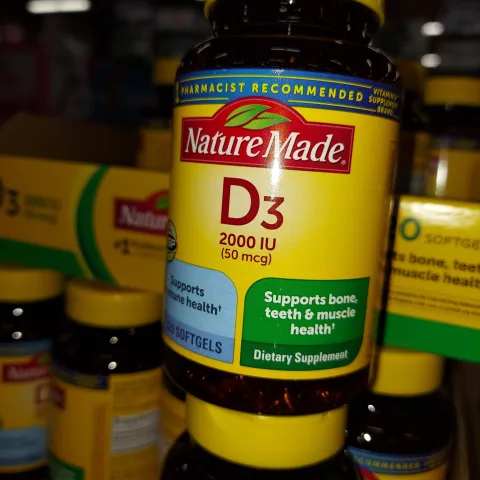
Photo: Open Food Facts contributors, CC BY-SA 3.0 Vitamin D3 2000 IU
- Third-party tested: USP Verified
- None of the additives we check for
- Form: Vitamin D3 (cholecalciferol)
An expert prefers this form See the quote
-
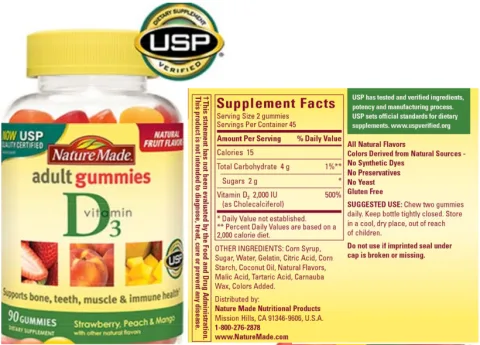
Image: NIH label database -
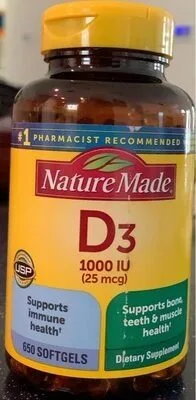
Photo: Open Food Facts contributors, CC BY-SA 3.0 -
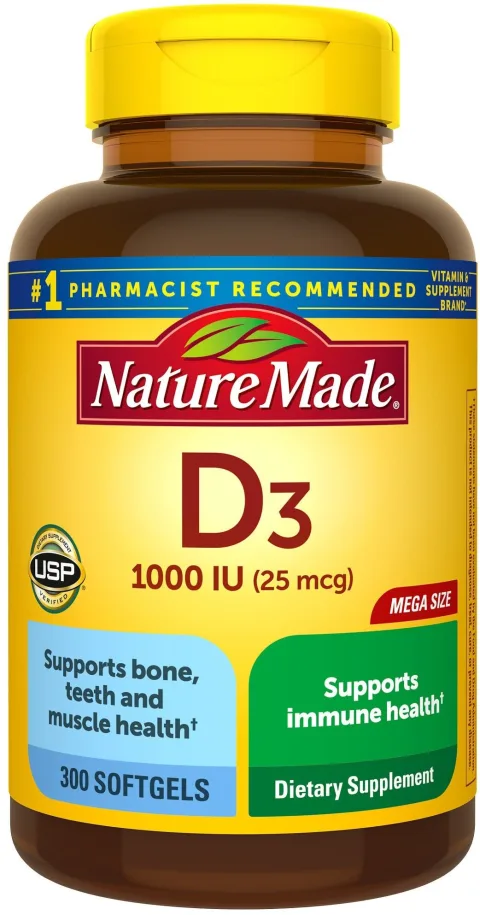
Photo: Open Food Facts contributors, CC BY-SA 3.0 Vitamin D3 1000 IU
- Third-party tested: USP Verified
- None of the additives we check for
- Form: Vitamin D3 (cholecalciferol)
An expert prefers this form See the quote
-
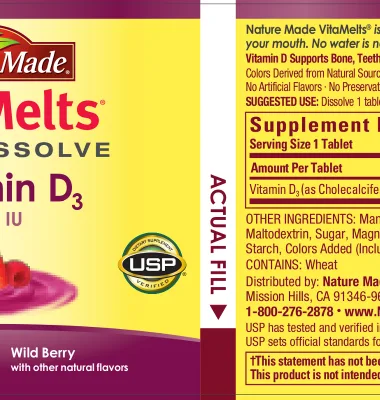
Image: NIH label database Vitamin D3 1000 IU Wild Berry
- Third-party tested: USP Verified
- None of the additives we check for
- Form: Vitamin D3 (cholecalciferol)
An expert prefers this form See the quote
-
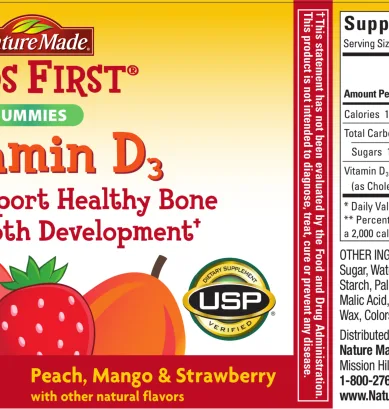
Image: NIH label database Vitamin D3 Gummies 2 label versions
- Third-party tested: USP Verified
- None of the additives we check for
- Form: Vitamin D3 (cholecalciferol)
An expert prefers this form See the quote
-
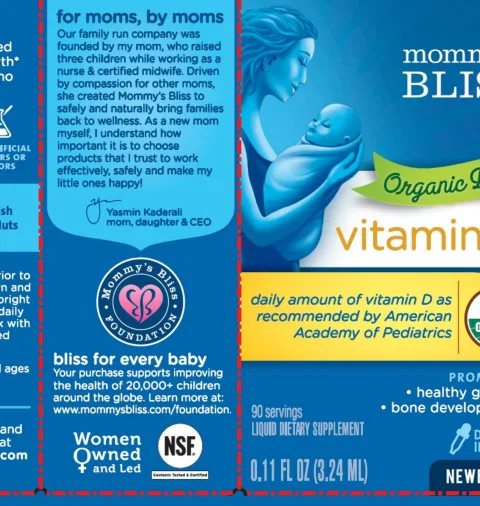
Image: NIH label database Vitamin D Organic Drops
- Third-party tested: NSF
- None of the additives we check for
- Form: Vitamin D3
An expert prefers this form See the quote
What was said about each form of vitamin D
D3 (cholecalciferol) named as preferred
“…it should be vitamin D3 which is the active form not vitamin D2”
D2 (ergocalciferol) spoken against
“…it should be vitamin D3 which is the active form not vitamin D2”
Brands that make vitamin D
- Nature Made44 of 54 third-party tested
- Dr. Mercola4 of 11 third-party tested
- Thorne3 of 4 third-party tested
- Nutrilite3 of 3 third-party tested
- Nordic Naturals2 of 23 third-party tested
- Nature's Bounty2 of 15 third-party tested
- Member's Mark2 of 5 third-party tested
- Kirkland Signature2 of 2 third-party tested
- Klean Athlete2 of 2 third-party tested
- Garden of Life1 of 14 third-party tested
- Mommy's Bliss1 of 2 third-party tested
- USANA1 of 1 third-party tested
- Carlson0 of 41 third-party tested
- Bluebonnet0 of 27 third-party tested
- Natural Factors0 of 18 third-party tested
- NOW0 of 15 third-party tested
- Life Extension0 of 13 third-party tested
- Protocol For Life Balance0 of 12 third-party tested
- up&up0 of 11 third-party tested
- Doctor's Best0 of 10 third-party tested
- XYMOGEN0 of 10 third-party tested
- GNC0 of 9 third-party tested
- Sports Research0 of 9 third-party tested
- vitafusion0 of 7 third-party tested
- DaVinci Laboratories0 of 6 third-party tested
- Integrative Therapeutics0 of 4 third-party tested
- Viva Naturals0 of 4 third-party tested
- Natrol0 of 3 third-party tested
- New Chapter0 of 3 third-party tested
- Nutricost0 of 3 third-party tested
- Onnit0 of 3 third-party tested
- Berkley Jensen0 of 2 third-party tested
- L'il Critters0 of 2 third-party tested
- OLLY0 of 2 third-party tested
- Schiff0 of 2 third-party tested
- Shaklee0 of 2 third-party tested
- 1st Phorm0 of 1 third-party tested
- 365 Everyday Value0 of 1 third-party tested
- Arbonne0 of 1 third-party tested
- Dr. Sinatra0 of 1 third-party tested
- Equaline0 of 1 third-party tested
- Irwin Naturals0 of 1 third-party tested
- Sunwarrior0 of 1 third-party tested
- Twinlab0 of 1 third-party tested
NIH lists 494 brands that make vitamin D. This list shows each brand with a third-party tested product, plus each brand with its own page here.
Source: NIH's public label database, 11 January 2026 release; checks by Decode, 25 October 2026
Common questions
What counts as third-party tested?
A seal from an outside lab that tests what is inside, such as USP Verified or NSF Certified for Sport, or the product's name on that lab's own list, such as IFOS for fish oil. A badge about sourcing, diet or the factory does not count, because it does not test what is inside.
Does no seal mean a product failed a test?
No. It means the label shows no third-party test, and no testing lab's list we read (BSCG, IFOS, IGEN, IKOS, Informed Choice, Informed Sport) names the product. A brand can test privately. This page shows what the label and the lists show.
Which vitamin D should I take?
That depends on your blood test. This page shows the label checks anyone can see.
Where does the label data come from?
The NIH Dietary Supplement Label Database, which is public domain. We read the file dated 11 January 2026. Brands change labels, so check the one you have.
Our method
- Third-party tested
- A seal from an outside lab that tests what is inside, printed on the label, or the product's name on that lab's own list.
- Additives
- Each other ingredient on the label, checked for artificial coloring, titanium dioxide, hydrogenated oil and BHA/BHT preservative, after a physician spoke against dyes, fillers and preservatives on video.
“…that are at the right Doses and that are effective and that don't have a lot of additives and fillers and preservatives and chemicals and dyes”
- Form
- The form printed on the label. When an expert we quote has talked about that form, the speech bubble next to it says where they stand. Open it to see what they said.
- One product, many labels
- Label versions that share a UPC count as one product. The newest label is the one shown.
- Dose
- The amount is shown as printed. Whether it suits you depends on your blood test.